
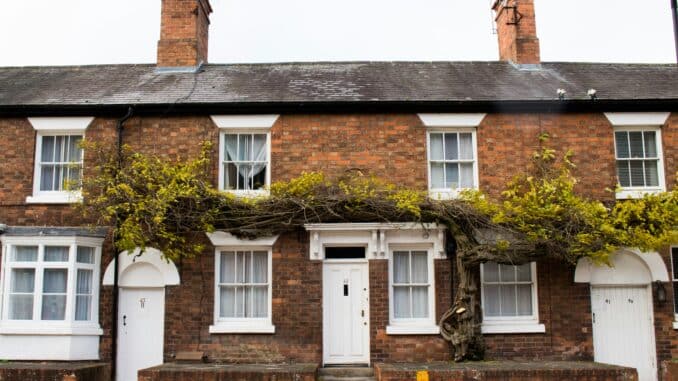
The idea of protecting your home against various perils has really been around since the Stone Age, homes and types of perils have changed considerably since then !
Home insurance has become the standard way for people to protect the building they live in their possessions within it and to protect themselves against liabilities they may have to people visiting their home.
Although terminology differs, home or household insurance tends to have fairly standard sections.
Home / Homeowners Insurance.
This normally refers to the structure of the building itself, and assumes that the home or the building is a purely domestic residence, with no connection to any business or commercial enterprise.
If someone is running a business as part of the home surroundings, such as someone who works or owns a farm or ranch, or someone who runs a business from their home such as a motel, then a specialist type of insurance will be needed that covers both aspects of home and business insurance.
This assumption sometimes needs to be clarified if someone is working from home, and the nature of their work may tend to lead into different types of business insurance, but generally speaking home insurance applies purely to domestic buildings.
Home and homeowners insurance tends to fall into 4 main categories
- Buildings Insurance
- Contents insurance
- Condo / Apartment Insurance
- Renters insurance
Buildings Insurance
This type of insurance can either be a standalone policy or merged with a contents insurance policy to provide complete coverage for a home.
The buildings insurance policy covers the structure of the main domestic building itself, along with any outbuildings that maybe part of the grounds.
The main building and any outbuildings need to be insured on the basis of rebuilding costs, not its market value. This is not always understood and can sometimes lead to either under insurance or over insurance, neither of which are in the interests of the policy holder.
Estimating the cost of rebuilding a property can be slightly tricky and often professional advice should be sought.
The building will normally be insured for things such as fires, floods, and other natural disasters. Cover may be limited in certain areas due to the effects of climate change, where the risks of fire or flood are considered too high to insure.
The buildings insurance will also cover certain items within the house, normally items which are considered immovable from the house, such as the bath, fixed kitchen appliances etc.
The policy is also likely to cover things such as water loss do too leaking pipes etc, and possibly coverage for blocked drains and other associated domestic risks.
The buildings or homeowners insurance is also likely to provide cover for temporary accommodation in the event of the home becoming uninhabitable as the result of an insured peril or risk.
Contents Insurance
This type of insurance policy can either be taken as part of the buildings insurance or as a separate standalone policy.
The intent is to provide additional coverage for personal items within the property, any of which could be subject to a potential risk.
The cover afforded to the buildings insurance will also normally apply to the contents insurance, which in addition will have levels of cover for risks such as theft, accidental damage, water damage etc.
Contents insurance used to be subject to what was known as a wear and tear clause, meaning that any claim for items such as televisions, carpets, furniture etc would take into account depreciation over time, as such lowering the amount that the insurance company would pay for any potential claim.
This was strictly in line with the principle of indemnity, that no one should be better off in the event of a claim than they were before. However it has proved increasingly unpopular with households, and many insurance companies will now offer contents cover on a new for old basis, effectively meaning that depreciation is not taken into account.
It is worth checking with the insurance company before taking out the policy what their position is regarding depreciation and new for old settlement of claims.

Condo / Apartment Insurance
This applies to anyone who is living in a condo or apartment that they own, and where they need to take out a certain level of insurance protection.
The type of insurance required can vary quite considerably depending on the ownership and provisions of the condo management, so it is an important area for the owner of the condo to check, with the building owner or freeholder.
They will most likely want to insure their own contents within the condo, but they need to check with the building owner as to what the responsibilities are of the owner and what are the responsibilities of the condo owners.
Each condo owner will need to be aware of what their responsibilities are with regard to the building itself, and what they may or may not be required to provide insurance for.
Renters Insurance
Anyone who is renting either a house or an apartment will need to consider what responsibilities or liabilities they may have, and what type of insurance they might need to put in place.
They are likely to want to provide contents insurance to cover their personal effects, but they may also want some type of liability insurance in relation to the property itself, to cover any particular responsibility that they might be considered to be liable for.
Some landlords require tenants to take out some sort of liability insurance in case they damage the property they are living in.
This is an area that should be stipulated in any rental agreement, between landlord and tenant, in order that obligations and responsibilities are clarified, and anyone renting a property is aware of what type of insurance, for what level of financial cover they may need to provide
All the above apply to domestic dwellings only, and all types of commercial buildings need to be insured on a completely separate basis.
Liability insurance
Most types of building insurance will include a general liability provision to cover the homeowner against potential claims if someone has an accident or a fall on their property, that they could potentially be deemed liable to pay for.
Anyone owning a condo or taking out rental insurance would need to check what provisions, if any, are included in the insurance policy, and if necessary take out a separate third party liability policy to protect themselves in the event of a potential claim.